Deep Cleaning Cleaners in your area

Deep Cleaning Cleaners provide deep cleaning in your area for homes and workplaces that need more than a routine tidy. The service is built around a careful, room-by-room clean that reaches the places people often miss during day-to-day upkeep: skirting boards, edges, fixtures, fittings, switches, shelves, and other surfaces that collect build-up over time. The aim is simple enough to state, but detailed in practice: restore a more thorough level of cleanliness with work that is methodical, not rushed.
That approach matters because deep cleaning is rarely one single task. Different rooms call for different methods, products and attention points, and the right sequence helps the work feel complete rather than piecemeal. In a typical visit, we would focus on the condition of the space, the surfaces present, and the areas that need extra attention, so the clean is shaped around what is actually there. If you are comparing options, pricing and quotes is a sensible place to begin understanding the scope.
For people who want a one-off service rather than a recurring schedule, this can sit neatly alongside move-out cleans, post-build cleans, or seasonal refreshes. We can also discuss specific rooms, fixtures or items that need extra care. When you are ready to move forward, contact us to request a quotation and outline the rooms or surfaces you want included.
What a deep clean can cover
A deep clean is best understood as a detailed service rather than a fixed checklist that suits every property. The work may include removing built-up dust from high and low surfaces, cleaning accessible ledges and trim, wiping doors and handles, and paying attention to areas where grease, grime or general residue has settled. In kitchens and bathrooms, that often means a more targeted clean around fixtures, splash-prone surfaces and hard-to-reach edges that need patient work.
Because every interior has different materials and layouts, we also consider how each surface should be treated. Painted wood, glass, stainless steel, stone-effect worktops and sealed flooring do not always benefit from the same method, so the process needs a sensible order and suitable product choice. This helps the service remain practical, especially in spaces where the finish matters as much as the visible cleanliness. If your property has a mix of rooms and materials, a single visit can still be organised around distinct cleaning priorities.
Where helpful, the deep clean can be paired with other focused tasks from the same team. For example, areas with heavier fabric use may benefit from upholstery cleaning, while stairs and soft flooring can sometimes require attention to pile, edges and the condition of the textile. The main point is to shape the service around the property rather than forcing every job into one generic pattern.
Kitchen and bathroom deep cleaning
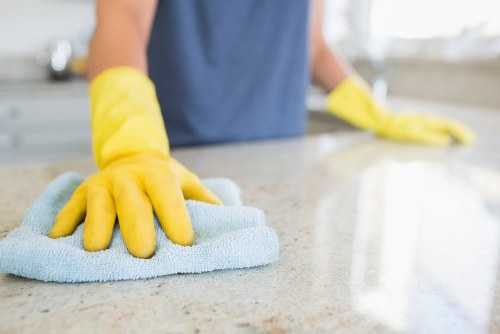
Kitchens and bathrooms usually need the most exacting attention because they contain a high number of fixtures, joins and surfaces that show build-up quickly. In a kitchen, a deep clean may involve cabinet fronts, worktops, splashbacks, sink areas, appliance exteriors and the surrounding edges where crumbs, steam and grease accumulate. The goal is not just a surface wipe, but a more careful clean that gives the room a fresher and more orderly feel.
Bathrooms call for a different emphasis. Taps, basins, baths, shower screens, tiles, seals and sanitary fittings often need focused work to lift residue and restore a more presentable finish. A well-planned bathroom clean also needs to respect the condition of sealants and fittings, since these details can vary widely between properties. If you need these rooms cleaned as part of a fuller service, it helps to be clear about which fittings, storage areas and wall surfaces should be included.
Some customers also want adjoining service pages when they are planning a more complete refresh. Our oven cleaning option is useful when the kitchen needs more than a general wipe-down, while window cleaning can help complete the overall presentation of the space. Deep cleaning works best when the tasks are chosen carefully, so the final result matches the actual condition of the property.
Living areas, bedrooms and shared spaces
In living rooms, bedrooms and other shared rooms, the focus shifts from cooking residues and water marks to dust, fingerprints, floor edges and the surfaces that shape how the room feels day to day. That can include furniture exteriors, decorative ledges, radiators, door frames, switches and reachable fittings. Bedrooms may also need attention to storage furniture and the spaces around beds, where dust naturally gathers and is not always visible at a glance.
Shared spaces are often where a deep clean makes the most immediate difference, because they tend to collect a broad mix of marks, fibres and general wear. The right approach is usually calm and systematic: clear access where needed, work from higher points to lower ones, and complete the room in a way that leaves no obvious part overlooked. In larger homes or properties with several occupied rooms, this structure helps keep the clean consistent from one area to the next.
- dusting and wiping of accessible surfaces and trims
- careful attention to skirting, door edges and frames
- spot cleaning of marks on fittings and visible surfaces
- floor preparation before the final clean stage
Flooring, carpets and hard surfaces

Floors often carry the biggest visible difference between a basic clean and a proper deep clean. Hard flooring may need careful washing, edging and detail work around corners, furniture bases and threshold strips, while carpeted areas need a different method that suits the fibre and level of soiling. A thoughtful approach helps preserve the look of the surface while improving the overall finish of the room.
Where carpets need more than vacuuming, carpet cleaning can be an important part of the wider plan. Rugs can also need separate attention if they are part of the room’s main furniture layout, and our rug cleaning page is relevant where textile floor coverings need focused care. The most suitable choice depends on the material, pile, colour and the type of marks or general build-up present.
Hard floors bring their own considerations. Sealed surfaces can usually tolerate more direct cleaning, while more delicate finishes require greater care around moisture and product selection. A service that includes flooring should be planned alongside the rest of the room, not treated as an afterthought. That is especially true in busy entrances, kitchens and open-plan spaces where dirt travels further and accumulates in edges and seams.
One-off cleaning for homes and workplaces
Not every property needs ongoing weekly attention. Sometimes the right answer is a one-off visit to bring the whole place back to a cleaner standard after a period of heavy use, a gap in regular maintenance or a change in occupancy. A one-off deep clean can suit domestic interiors, smaller offices, managed spaces or rooms that need a careful reset before they are used again. The work is flexible, but it should still be defined clearly so the clean covers the areas that matter most.
For domestic properties, that often means combining visible surfaces with less obvious details such as fixtures, switches, edges and touchpoints. In workplaces, the emphasis may be on shared desks, meeting areas, kitchenettes and washrooms, along with cleaner presentation of floors and commonly used fittings. If you need a broader regular service later, domestic cleaning and office cleaning are useful pages to compare with a one-off visit.
A one-off clean is also practical when you want to address a very specific event or condition. For example, a property that has had decorators in, or a room that has not been used for some time, may need a more concentrated approach before it feels ready again. In those cases, the detailed service plan matters as much as the scrubbing itself. Clear priorities, better sequence, better finish.
After building, moving and end-of-tenancy work

Some deep cleaning jobs overlap with move-related or post-work cleaning because the condition of the property has changed significantly. Dust from building work, paint residue, packaging debris or the effects of an outgoing tenancy can leave a place needing more than a normal domestic clean. These jobs call for a practical sequence that removes loose dirt first and then addresses the finer residues left behind on surfaces, fittings and floors.
If your property has recently been renovated, our after-builders-cleaning service may be the right fit for the scale and type of debris involved. For departure cleans, end-of-tenancy cleaning is the related option to review, especially where a property needs a more detailed reset before handover. A good plan should separate the obvious dirt from the tasks that take more time, such as edge work, fixtures and final presentation.
These services are best when the scope is agreed in advance, because the exact condition of the property can vary a lot. It helps to note whether the space is empty or furnished, whether any rooms have specialist finishes, and whether the clean needs to include internal cupboard areas, appliances or high-level dust removal. That way, the result is based on the property’s condition rather than a generic assumption.
Choosing the right service level
Not every enquiry needs the same depth of work, so it is sensible to match the service level to the condition of the premises. A lighter visit may be enough where surfaces are generally maintained but certain areas need a reset, while more demanding interiors need a fuller treatment of fixtures, fittings, floors and access points. The best choice usually becomes clearer once the rooms and the main cleaning priorities are identified.
Below are a few useful points to think about before requesting a quotation:
- Which rooms need attention, and which are only occasional use?
- Are there items, surfaces or finishes that need more careful handling?
- Do you want a general refresh, or a more detailed clean of specific features?
- Are there related services, such as carpets or appliances, that should be included?
Supporting services for a fuller clean
Deep cleaning often works best when supported by specialist services that address individual items or surfaces. Upholstered seating, for example, can benefit from separate attention if it has absorbed everyday use, while soft furnishings may need care that a general surface clean cannot provide. If you want the room to feel complete, it is worth considering whether furniture, fabrics or fixtures need their own treatment alongside the main cleaning plan.
Useful related options include sofa cleaning for fabric seating, carpet cleaner for rooms where floor coverings need extra help, and hard floor cleaning where sealed floors need a more specialised approach. These services are not always necessary, but they can improve the overall result when the property contains a mix of materials that show wear differently. A sensible quotation should reflect that mixture rather than treating every surface the same.
If your property includes windows, external-facing glass or stained entrance areas, you may also want to compare facade cleaning and other finishing services to decide what belongs in the same visit. The aim is not to overload the job, but to make sure the right tasks are grouped together where that saves time and improves the final presentation.
About your area
Your area is a placeholder place name in this brief, so there is no reliable local history or geographic profile to add here without making assumptions. A meaningful area section needs verified facts about streets, landmarks, heritage, parks, transport, boundaries or community life, and those details have not been supplied in the input data. To keep this page truthful, the service information is presented without inventing local background or claiming first-hand knowledge of a specific district. That is important because commercial content should remain accurate even when the place name is broad, temporary or incomplete. If a confirmed town or neighbourhood name is provided later, a proper area profile can be written from reliable local evidence and placed here in a single coherent paragraph. Until then, the most useful page content is the practical explanation of the cleaning service itself, the types of rooms and surfaces it can cover, and the related options customers may wish to compare before they request a quotation. This keeps the page focused on genuine service information rather than speculative location detail. It also avoids confusing one place with another when several areas share similar names, which can happen with generic route or template data. For that reason, the location context here remains intentionally general and cautious rather than falsely specific.
Planning the visit and requesting a quotation

When you are preparing an enquiry, the most useful information is usually a straightforward description of the rooms involved, the kind of build-up present and any surfaces that need special care. If the property is furnished, it helps to know whether cleaning should work around the items already in place or focus mainly on the accessible surfaces. That detail matters because a deep clean is more effective when it is shaped around the actual layout rather than guessed in advance.
It is also sensible to mention anything that may affect the work sequence, such as limited access to certain rooms, particularly delicate finishes, or additional tasks you want included in the same visit. A short note about the property type and the standard you want to reach is often enough to begin. For customers comparing the range of related services, deep cleaning is the page to review alongside the supporting options already mentioned.
Request a quotation when you are ready and we can help you discuss the right scope for the property. If you want to move quickly, a simple message with the room count, the main cleaning priorities and any related tasks is usually enough to start the conversation. Send your details today and we will take it from there.