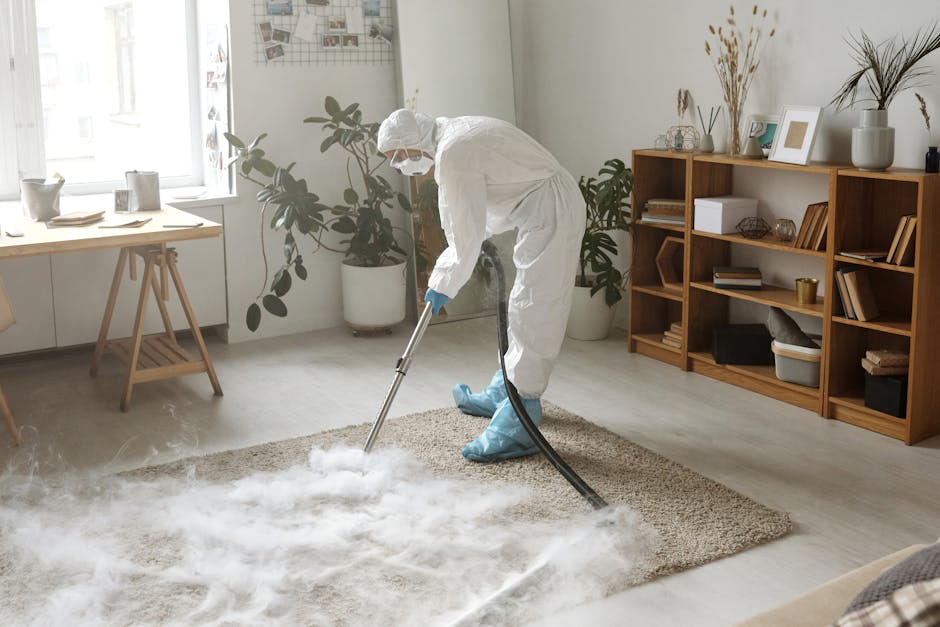
Professional carpet cleaning stain removal guide for stubborn marks
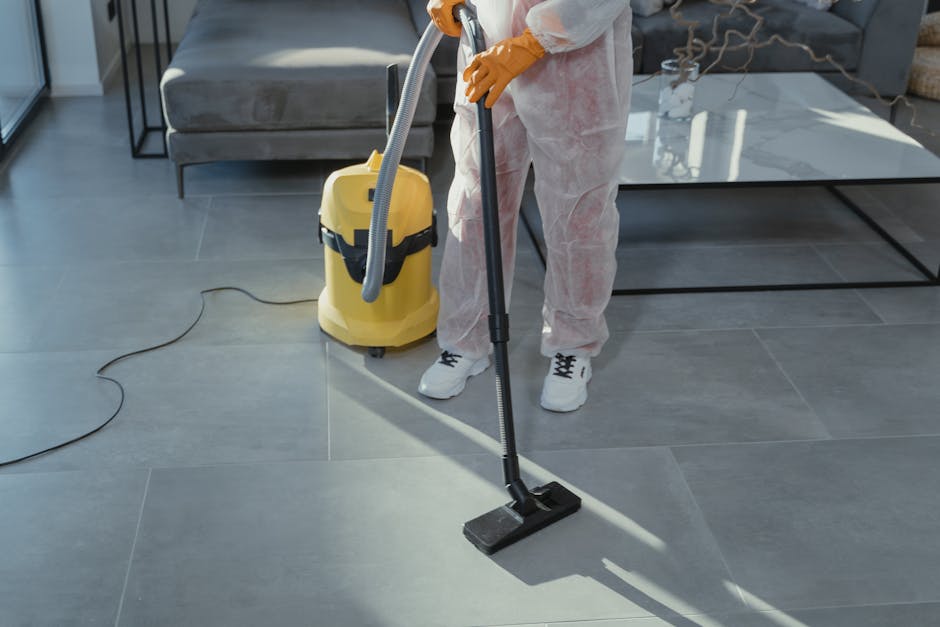
Stubborn carpet stains have a habit of showing up at exactly the wrong moment. Tea spills before guests arrive, muddy footprints after a wet school run, or that one mark you keep pretending not to see under the sofa. This professional carpet cleaning stain removal guide for stubborn marks is here to help you understand what works, what makes things worse, and when it is smarter to call in a specialist. The goal is simple: protect the fibres, lift the stain properly, and avoid turning a small mark into a permanent patch.
In our experience, the difference between a stain that fades and one that sets for good usually comes down to timing, chemistry, and a bit of restraint. Sounds glamorous, doesn't it? But it is true. Below, you will find a clear, practical guide to stubborn mark removal, from first response right through to professional treatment and aftercare.
Quick expert summary: Blot first, identify the stain type, test a solution in a hidden spot, and avoid over-wetting the carpet. If the mark is old, oily, protein-based, or has already been scrubbed, a professional process is often the safest route.
- Why this guide matters
- How professional stain removal works
- Key benefits and practical advantages
- Who this is for and when it makes sense
- Step-by-step guidance
- Expert tips for better results
- Common mistakes to avoid
- Tools, resources and recommendations
- Law, compliance and best practice
- Options and method comparison
- Case study example
- Practical checklist
- Conclusion
- Frequently asked questions
Why Professional carpet cleaning stain removal guide for stubborn marks Matters
Carpet is forgiving in some ways and terribly unforgiving in others. A fresh spill can often be dealt with quickly, but once a stain starts to bond with the pile or backing, it becomes much harder to remove without specialist care. That is why a structured approach matters so much. You are not just cleaning a mark; you are trying to break the chain between the contaminant and the fibre.
Stubborn marks often behave differently depending on what caused them. Red wine behaves differently from emulsion paint. Grease behaves differently from coffee. And a stain that looks small on the surface may have travelled deeper than you think. If you rush in with the wrong product, you can spread the stain, bleach the colour, crush the pile, or leave a sticky residue that attracts even more dirt later. Annoying, but common.
This is also why professional carpet cleaning methods are often worth considering for homes, rented properties, offices, and busy communal spaces. A well-treated carpet looks better, smells fresher, and wears more evenly. If you are maintaining a family home, managing a rental, or keeping a workplace presentable, stain removal is not just cosmetic. It supports hygiene, comfort, and the overall life of the carpet.
For more general care and deeper maintenance, it can help to look at professional carpet cleaning services and how they fit into routine upkeep, especially when stains are part of a bigger build-up rather than a one-off accident.
How Professional carpet cleaning stain removal guide for stubborn marks Works
Professional stain removal is not one magic spray. It is a sequence of decisions. First, the cleaner identifies the stain type, carpet fibre, and backing sensitivity. Then they choose a safe treatment path, often starting with dry soil removal before any liquid is introduced. That matters more than people realise. If loose grit stays in the pile, you can grind it deeper while working on the stain.
Next comes targeted treatment. The technician may use a pre-spotter, a mild detergent solution, an enzyme-based cleaner for organic residues, or a solvent-based approach for oils and adhesives. The chosen method depends on the stain and the carpet. Wool, for example, can be more sensitive to high alkalinity and excess heat than some synthetic fibres. So yes, the fibre type matters a lot.
Heat, agitation, dwell time, and extraction all play a role. A professional will usually apply just enough solution to loosen the mark, work it carefully, and then remove the residue using controlled extraction or blotting. The last step is crucial because residue left behind can cause rapid re-soiling. You clean the stain, then six days later it looks like the carpet has had a bad week again. That is the kind of thing professionals try to avoid.
In more demanding cases, the process may include repeated applications, fibre grooming, deodorising, or a broader deep clean. If the mark is part of a larger problem, a deeper treatment such as deep cleaning can support better long-term results.
Key Benefits and Practical Advantages
There are good reasons people choose expert stain removal rather than guessing their way through it with a cloth and optimism.
- Better stain lift: Professionals match the cleaning method to the stain type instead of using one-size-fits-all treatment.
- Less risk of damage: Correct chemistry and controlled moisture reduce the chance of fibre distortion, colour loss, or backing damage.
- Improved appearance: Even when a stain cannot be removed completely, professional treatment often makes it far less visible.
- Longer carpet life: Removing residues properly helps prevent the pile from becoming sticky, stiff, or dull.
- Better indoor feel: Freshly treated carpets often smell cleaner and feel softer underfoot. Small thing, big difference.
- Time saved: A tricky stain can eat up hours if you keep trying random methods that do not quite work.
There is also a practical property-value angle. Well-maintained carpets send a strong signal in homes and commercial spaces. For end-of-tenancy situations, office refreshes, or pre-event cleaning, stain removal can be the difference between "acceptable" and properly presentable. If you are managing a turnaround, it may also make sense to pair carpet work with end of tenancy cleaning or broader one-off cleaning support.
Who This Is For and When It Makes Sense
This guide is useful for homeowners, tenants, landlords, letting agents, office managers, and anyone who wants to deal with carpets properly rather than just hiding the bad patch with a plant or coffee table. To be fair, we have all done that at some point.
It makes particular sense if:
- the stain has been there for more than a day or two
- you have already tried soap, soda water, or a shop-bought spray
- the carpet is wool, loop-pile, light-coloured, or expensive
- the mark is oily, greasy, or sticky
- you are dealing with multiple stains rather than one accident
- the room sees heavy footfall, like a hallway, lounge, or office
There is a point where do-it-yourself cleaning stops being economical. If the stain keeps returning, the fibre may still be holding residue below the surface. Or the mark may have reacted with previous cleaning attempts. In that case, calling a professional carpet cleaner can save money in the long run, because repeated over-treatment can be more expensive than a single correct intervention.
Households are not the only setting either. Office carpets, reception areas, and shared hallways often need faster, more consistent stain response. A small coffee spill in a meeting room becomes surprisingly visible once everybody knows it is there. Funny how that works.
Step-by-Step Guidance
Here is the safest practical sequence for stubborn marks. It is not fancy. It is just the order that tends to work best.
- Identify the stain if you can. Food, grease, ink, mud, tannin, pet accidents, and paint all need slightly different handling.
- Blot, do not rub. Use a clean white cloth or paper towel and press gently from the outside towards the centre. Rubbing can spread the stain and rough up the pile.
- Remove loose debris. If there is mud or crusted residue, let it dry first and lift away what you can before adding moisture.
- Test in a hidden area. A discreet patch near a skirting board is usually better than starting in the middle of the room.
- Apply a small amount of suitable solution. Less is usually better. A little goes a long way on carpet.
- Work carefully. Dab, lightly agitate if needed, then blot again. Do not soak the area.
- Rinse or extract residue. If cleaning product stays behind, it can attract dirt later.
- Dry properly. Open windows where possible, use airflow, and avoid putting furniture back too soon.
Different stain families need different responses. Here is a useful overview.
| Stain type | Typical challenge | Safer first response | When to call a pro |
|---|---|---|---|
| Tea, coffee, wine | Tannin can set quickly and leave a visible tint | Blot with cool water and a suitable mild cleaner | If the stain is old, dark, or has spread |
| Grease, oil, makeup | Oil bonds to fibres and resists water-based cleaning | Use a carpet-safe degreasing approach | If the mark has been walked into the pile |
| Pet accidents | Odour and biological residue can remain beneath the surface | Blot thoroughly and treat promptly | If smell remains or the area has reappeared |
| Ink and dye transfer | Pigments may spread when over-wet | Minimal moisture and careful spot treatment | When the stain keeps blooming outward |
| Paint, adhesive, builder residue | Can harden or bind deeply into fibres | Scrape gently when dry, then assess | Especially after renovation or decorating work |
If the carpet has been affected during refurbishment, a targeted service such as after builders cleaning may be the more efficient route, especially when paint dust, filler, and tracked debris are all part of the same mess.
Expert Tips for Better Results
A few small adjustments make a surprising difference. The first one is patience. Let cleaning chemistry do some of the work. People often attack a stain immediately and hard, which is understandable, but not always helpful. Give the product a moment to break things down.
Another tip: work from the outside in. That helps keep the stain from expanding. It sounds almost too simple, yet it is one of those habits that separates tidy results from patchy ones. Also, use white cloths only. Coloured cloths can bleed dye, and nobody wants to create a second problem while solving the first.
Temperature matters too. Very hot water is not automatically better. On some stains, it can lock in proteins or distort delicate fibres. A careful professional will choose temperature and chemistry based on the carpet, not just on force of habit.
For stubborn localised marks, a combined approach can work best: spot treatment, extraction, then a light groom of the fibres so the cleaned patch blends more naturally. That final grooming step is small but oddly satisfying. The carpet just looks more itself again.
If the carpet is in a room that gets heavy use, especially in family homes or shared areas, you may also benefit from routine support through domestic cleaning or house cleaning so stains are caught before they settle in.
Common Mistakes to Avoid
Some mistakes are so common they almost deserve their own warning label.
- Rubbing aggressively: This pushes the stain deeper and can fuzz the pile.
- Using too much water: Over-wetting can lead to backing damage, odour, or slow drying.
- Trying random products one after another: Mixed residues can make the problem worse and harder to diagnose.
- Skipping a patch test: Even mild cleaners can affect dye or texture.
- Scrubbing delicate fibres: Wool and certain blends need a lighter touch.
- Using bleach on coloured carpet: This can permanently strip the dye. Not a great look.
- Leaving residue behind: Sticky patches trap dirt and re-mark faster.
One of the biggest issues we see is optimism replacing observation. A mark looks small, so people assume it is simple. Then they clean the visible surface and forget what has soaked through beneath it. That is where recurring stains and lingering smells often come from.
Another common snag is treating every stain as if it were the same. It is not. A protein stain and an oil stain behave very differently. If you can distinguish the likely cause, you are already ahead.
Tools, Resources and Recommendations
You do not need a huge kit, but you do need the right basics. The most useful tools are usually the least glamorous ones.
- White microfibre cloths for blotting and controlled cleaning
- Soft-bristle brush for gentle agitation when appropriate
- Clean spray bottle for applying small amounts of solution
- Vacuum cleaner for dry soil removal before and after spot treatment
- Protective gloves if you are using cleaning agents for longer periods
- Fans or ventilation to speed drying and reduce musty smells
For larger areas, heavy soiling, or recurring marks, a stronger deep-clean approach is usually more effective than repeated spot treatment. If the issue extends beyond one room, services such as carpet cleaner support or broader carpets cleaning can be a better fit than tackling the same patch over and over.
Rugs and upholstered items behave differently from fitted carpet, so use the correct service path when needed. A stubborn stain on a rug may be better handled through rug cleaning, while sofa marks and armrest grime belong under sofa cleaning or upholstery cleaning.
Law, Compliance, Standards, or Best Practice
For everyday stain removal, the main concern is not a specific law but safe working practice. In the UK, cleaning should be done in a way that protects people, property, and surfaces. That means suitable products, sensible dilution, controlled moisture, and care around ventilation. If a property is occupied, keeping walkways safe while carpets dry is just good practice.
Professional cleaners also tend to work with insurance awareness in mind, because accidental damage can happen. That is why it is sensible to choose a cleaning provider that is transparent about safety and responsibility. If you are comparing providers, it helps to look at their insurance and safety information and their health and safety policy before booking.
In commercial settings, there is also a practical duty to avoid disruption. Offices, receptions, and shared areas should be cleaned in ways that reduce slip risk and minimise downtime. If you are planning around staff or visitors, office cleaning can be scheduled to fit around working hours, which is often the calmer option. Much calmer, honestly.
Best practice also includes clear communication about what can and cannot be removed. No reputable cleaner should promise miracle results on every stain. Some marks are permanent, some are greatly improved, and some are only partly reducible. That honesty matters. It is better than pretending every carpet can be made brand new with a bit of enthusiasm and a spritz bottle.
Options, Methods, or Comparison Table
Not every stain needs the same level of intervention. Here is a simple comparison of common options.
| Method | Best for | Strengths | Limitations |
|---|---|---|---|
| Blotting and light spot treatment | Fresh spills and surface marks | Quick, inexpensive, low-risk | Often not enough for old or bonded stains |
| Targeted professional stain removal | Stubborn localised marks | More precise and safer for fibres | May still leave faint traces on set-in stains |
| Full carpet deep clean | Multiple spots, heavy traffic, general dullness | Improves overall appearance and hygiene | Not always necessary for one small stain |
| Rug or upholstery specialist treatment | Loose rugs, sofas, chairs, and cushions | Matches method to material | Requires the right service type |
If you are not sure which route is right, think about scale. One fresh splash in a hallway is a spot-treatment job. Three years of foot traffic, several unknown stains, and a lingering smell? That starts to look like deeper work. A proper cleaning company will usually advise on the most suitable approach rather than pushing the biggest service every time.
Case Study or Real-World Example
A fairly typical situation goes like this: a family notices a dark mark in the lounge after a busy weekend. At first it looks like a bit of coffee. Then they try a supermarket spray, scrub a little too hard, and the mark fades unevenly but leaves a pale ring around the edge. By Monday, the patch is more noticeable than the original spill. Classic.
What usually works better is a slower, more controlled approach. First, the area is assessed for fibre type and stain composition. Then the residue is lifted, the remaining mark is treated with a suitable pre-spot solution, and the area is gently extracted. If the stain has penetrated deeper, the process may be repeated carefully. In a lot of cases, the visible mark becomes much less obvious and the ring disappears after proper extraction and drying.
The key lesson is simple: the earlier the stain is addressed, the better the outcome. But even when the stain is old, careful professional treatment can still improve the appearance a great deal. Not magic. Just method.
We have seen similar results in busy homes where there is regular traffic from kids, pets, and muddy shoes at the front door. A focused stain treatment, followed by a wider carpet refresh, often changes the whole feel of the room. You notice it as soon as you walk in.
Practical Checklist
Use this quick checklist before, during, or after tackling a stubborn carpet mark.
- Identify the stain type if possible
- Blot, do not rub
- Remove dry debris before using liquid
- Test any cleaner in a hidden area
- Use only a small amount of solution
- Avoid soaking the carpet backing
- Rinse or extract residue properly
- Let the area dry fully
- Check whether the stain has returned after drying
- Escalate to a professional if the mark remains or spreads
Useful rule of thumb: if you are on your third cleaning attempt and the stain is still there, stop and reassess before you make it worse. That is usually the moment to bring in a specialist.
For homes that need more regular upkeep, it can also help to think beyond the carpet itself. Combining stain response with home cleaners or domestic cleaning support can keep the whole property looking more consistent, not just one corner of it.
Conclusion
Stubborn carpet marks are frustrating, but they are not always a lost cause. With the right sequence, the right products, and a bit of patience, many stains can be significantly reduced or removed altogether. The main thing is to avoid panic cleaning. That is when carpets tend to suffer.
A thoughtful approach protects the fibres, improves results, and helps you decide when a simple spot clean is enough and when a professional touch makes more sense. If you remember only one thing from this guide, let it be this: treat the stain based on what it is, not just how annoying it looks. That small shift changes everything.
If you want expert help with a stubborn mark, a full refresh, or a carpet that needs more than a quick fix, take the next step when you are ready.
Get a free quote today and see how much you can save.
And if you are comparing providers, it never hurts to review the company's background, service standards, and customer information first, including about us, pricing and quotes, and contact details. Simple checks, but they matter.
Sometimes the cleanest result is not the fastest one. It is the one handled carefully.
Frequently Asked Questions
What is the best way to remove stubborn carpet stains?
The best way is to identify the stain type, blot rather than rub, test a suitable cleaner in a hidden area, and use as little moisture as possible. If the stain is old or has already been scrubbed, a professional treatment is often more effective.
Can all carpet stains be removed completely?
No, not always. Some stains bond permanently with the fibre or alter the dye. A good professional cleaner should explain whether the mark can be removed, reduced, or only improved.
Why does my carpet stain come back after cleaning?
This usually happens when residue remains below the surface and wicks back up as the carpet dries. It can also happen if the area was over-wet or not rinsed properly.
Is it safe to use vinegar on carpet stains?
Sometimes, but not always. Vinegar can affect fibres, dyes, or finishes, especially if used too strongly or on the wrong stain. A patch test is essential, and in many cases a carpet-safe cleaner is the better option.
How do professionals treat old stains differently from fresh ones?
Old stains usually need more assessment, slower dwell time, and more controlled extraction. A fresh spill can often be blotted away quickly, while an older mark may need specialist spotting and repeated treatment.
Will steam cleaning remove stubborn marks?
Steam or hot-water extraction can help with many stains, but not all. Some marks need pre-treatment first, and some respond better to targeted stain removal than to a general clean alone.
What stains are hardest to remove from carpet?
Oil, ink, dye transfer, pet accidents, paint, adhesive, and deeply set tannin stains are often the most difficult. The carpet fibre and how long the stain has been there also make a big difference.
How long should carpet take to dry after stain removal?
Drying time varies depending on ventilation, room temperature, cleaning method, and how much moisture was used. Good airflow helps a lot. If the carpet is still damp for too long, the risk of odour and re-soiling increases.
Should I try more than one stain remover product?
Usually no, not without assessing the carpet first. Mixing or layering products can cause residue, colour changes, or fibre damage. If the first safe attempt fails, it is better to pause and reassess.
Is professional carpet stain removal worth it for one mark?
If the carpet is valuable, the stain is highly visible, or DIY attempts have made things worse, yes. For a small, fresh mark on a durable synthetic carpet, a careful home treatment may be enough. It really depends on the situation.
Can stain removal help with odours as well as marks?
Often yes, especially for pet accidents, food spills, and damp residue. But if the odour has soaked into the underlay or backing, deeper treatment may be needed to fully solve it.
What should I do before a professional carpet cleaner arrives?
Blot any fresh moisture, do not apply more chemicals, clear small furniture if you can, and point out the stained areas. The more information you can give, the better the treatment can be matched to the problem.
Are carpet cleaning methods different for rugs and upholstery?
Yes. Rugs, sofas, and upholstered items can respond very differently from fitted carpet because the fibres, dyes, backing, and construction are not the same. Use the correct specialist service rather than assuming one method fits everything.