Cleaners in Cleaners: Understanding the People, Process, and Value Behind Professional Cleaning
What “Cleaners in Cleaners” Really Means
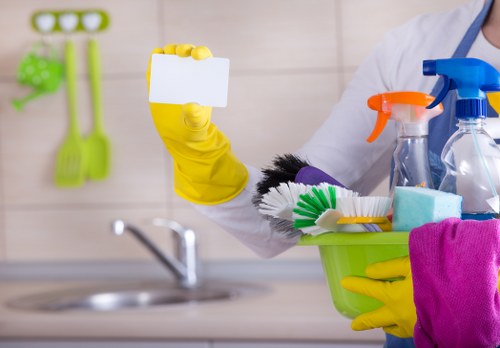
When people search for cleaners in cleaners, they are often looking for more than a simple definition. They want to understand the people behind the service, the daily routines they follow, the standards they uphold, and the value they bring to homes, offices, schools, retail spaces, and industrial properties. In everyday language, the phrase can point to the cleaners who work within a cleaning company, the teams that keep facilities spotless, and the broader ecosystem that supports professional cleaning.
At its core, the topic of cleaners in cleaners is about trust, skill, consistency, and results. A cleaning business is only as strong as the people doing the work, and those professionals often manage everything from basic dusting to specialized sanitation. Whether they are working in residential properties or commercial buildings, cleaners play a major role in maintaining hygiene, appearance, and comfort.
Understanding this topic also helps customers make better decisions when choosing a cleaning provider. If you know what cleaners do, what tools they use, and what standards they follow, you can better evaluate service quality. In a market where cleanliness affects health, productivity, and brand reputation, cleaners in cleaners matter more than ever.
The Role of Cleaners in a Cleaning Business
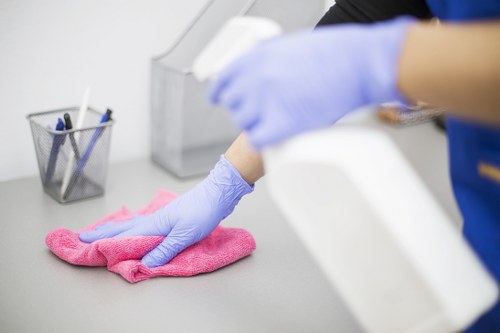
Professional cleaners are the backbone of any cleaning operation. They are the people who transform a service promise into a visible, measurable outcome. Their responsibilities can vary depending on the company, but most cleaners handle tasks such as vacuuming, mopping, disinfecting, trash removal, polishing, and restroom maintenance. In more specialized settings, they may also perform deep cleaning, carpet care, window cleaning, or post-construction cleanup.
What makes cleaners in cleaners especially important is the combination of physical work and attention to detail. Cleaning is not just about making a space look tidy. It is about removing dirt, minimizing allergens, reducing germs, and supporting a healthy environment. A good cleaner notices the overlooked corners, the high-touch surfaces, and the subtle signs that a space needs more than a surface wipe-down.
In many companies, cleaners also serve as the face of the business. Clients may interact with them directly, which means professionalism, punctuality, and communication matter just as much as technical ability. A well-trained cleaner brings confidence to the service experience and helps build long-term customer relationships.
Skills That Define Strong Cleaners
Not every cleaner works the same way, and the best professionals usually bring a valuable mix of practical skills and personal habits. While training can teach procedures, effective cleaners in cleaners often succeed because they combine consistency with judgment. They know how to prioritize tasks, follow checklists, and adapt when a site needs extra care.
Some of the most important skills include:
- Attention to detail for spotting missed spots, streaks, dust, or residue.
- Time management for completing tasks efficiently without sacrificing quality.
- Product knowledge to use the right cleaners safely on different surfaces.
- Physical stamina for repeated movement, lifting, bending, and standing.
- Communication to understand instructions and report issues clearly.
- Problem-solving when unexpected messes or stains appear.
These skills matter because cleaning jobs are often time-sensitive and detail-heavy. A small mistake, such as using the wrong chemical on a sensitive surface, can cause damage. On the other hand, a skilled cleaner can protect materials, save time, and deliver better outcomes. That is why employers value experienced cleaners in cleaners so highly.
Training, Standards, and Professional Expectations
Many people assume cleaning is simple, but professional cleaning has standards that must be followed carefully. Reputable companies usually provide structured training so workers understand how to clean different environments safely and consistently. Training may cover equipment handling, sanitation procedures, chemical safety, client privacy, and site-specific protocols.
Standards are especially important in commercial and public spaces. Offices, medical facilities, schools, restaurants, and rental properties all require different cleaning approaches. Cleaners in cleaners must know when to use disinfectants, how to avoid cross-contamination, and how to maintain hygiene without disrupting daily operations. In sensitive environments, cleanliness is tied directly to safety and compliance.
Professional expectations also include reliability and respect. Clients expect cleaners to arrive on time, work efficiently, and leave the property in better condition than they found it. A strong cleaning company builds these expectations into its culture so every cleaner understands the service level required. When standards are clear, both workers and customers benefit.
Residential Cleaners vs. Commercial Cleaners
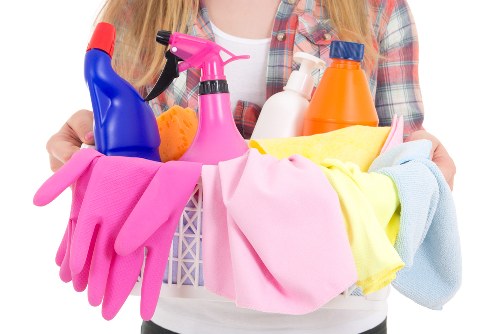
Although the term cleaners in cleaners can apply broadly, the work often falls into two major categories: residential and commercial. Each environment demands different techniques, priorities, and communication styles. Understanding the difference helps explain why cleaning services are rarely one-size-fits-all.
Residential cleaners typically work in private homes, apartments, and vacation rentals. Their tasks may include kitchen cleaning, bathroom sanitation, floor care, dusting, and organization. Homeowners often value flexibility, trust, and personal attention. Because they are cleaning private living spaces, residential cleaners may also need to handle fragile items, family routines, and pet-related challenges.
Commercial cleaners, by contrast, service offices, retail stores, warehouses, clinics, and other business properties. Their work may take place after hours or in high-traffic spaces that require fast turnaround. Commercial cleaners often focus on efficiency, sanitation, and maintaining a polished appearance for employees, customers, and visitors. Both types of cleaners are essential, but they solve different problems in different settings.
Why Cleaners Matter for Health and Hygiene
Cleaners in cleaners do more than improve appearances. They help reduce the spread of bacteria, viruses, mold, dust, and allergens. In practical terms, that means cleaner air, safer surfaces, and a healthier environment for everyone who uses the space. This is one reason businesses and homeowners invest in regular professional cleaning.
High-touch areas like door handles, light switches, countertops, desks, and restroom fixtures can collect contaminants quickly. A well-trained cleaner knows how to disinfect these surfaces correctly and consistently. In environments such as healthcare and food service, the importance of proper hygiene is even greater. Cleaners can support public health by following the right procedures every time.
There is also a mental health benefit. People often feel calmer, more focused, and more comfortable in tidy spaces. A clean home can reduce stress, while a clean workplace can improve productivity and employee morale. This is why quality cleaning services are not just cosmetic; they are part of a healthy lifestyle and a functional environment.
Tools, Equipment, and Cleaning Products
The effectiveness of cleaners in cleaners depends partly on the tools they use. Modern cleaning relies on a combination of manual methods and specialized equipment. From microfiber cloths to commercial vacuums, the right tools help cleaners work faster and achieve better results.
Common tools and supplies include:
- Microfiber cloths and mop heads
- Vacuum cleaners and HEPA filtration systems
- Scrub brushes and squeegees
- Disinfectants and degreasers
- Glass cleaners and surface sprays
- Bucket systems and caution signs
Choosing the right product matters just as much as using it correctly. Some surfaces need gentle formulas, while others require stronger solutions for grease, grime, or sanitation. Professional cleaners learn how to match products with materials so they can clean effectively without causing damage. This knowledge helps preserve flooring, furniture, fixtures, and appliances.
How Cleaning Companies Support Their Cleaners
Behind every dependable cleaning team is a company that supports its workers properly. Strong management improves service quality by giving cleaners clear instructions, quality equipment, and realistic schedules. When cleaners are supported well, they can focus on doing excellent work instead of dealing with preventable problems.
Support may include paid training, uniform policies, safety gear, route planning, and feedback systems. Companies that invest in their staff often see lower turnover and higher customer satisfaction. This is because cleaners in cleaners perform best when they have the tools and structure needed to succeed.
Good leadership also creates accountability. Supervisors may inspect work, follow up on client concerns, and recognize strong performance. That kind of system helps maintain consistency across many sites and shifts. In the cleaning industry, consistency is a major selling point.
Safety Practices Every Cleaner Should Follow
Safety is a major concern in professional cleaning. Cleaners work with chemicals, wet floors, electrical equipment, and sometimes biohazard risks. A responsible cleaning operation treats safety as a daily priority, not an afterthought. Proper habits protect both workers and clients.
Important safety practices include:
- Reading labels and following dilution instructions carefully.
- Wearing gloves, masks, or eye protection when needed.
- Using wet floor signs and proper ventilation.
- Keeping chemicals stored separately and securely.
- Reporting spills, hazards, or damaged equipment immediately.
These precautions reduce accidents and ensure a cleaner works confidently. Safety also affects reputation. Customers are more likely to trust a company that takes precautions seriously and demonstrates professionalism on every visit. Cleaners in cleaners who understand risk management provide better service and safer outcomes.
Customer Expectations in Modern Cleaning Services
Today’s clients expect more than a quick tidy-up. They want dependable service, transparent communication, and visible quality. That means cleaners in cleaners must not only clean well but also understand what the customer values most. Some clients care about eco-friendly products, others care about speed, and many care about both.
Common expectations include punctuality, consistency, privacy, and respect for property. A cleaner may enter a home when no one is present or work after business hours in a commercial setting. Because of this, trust is central to the experience. When customers know they can rely on a cleaner, the relationship becomes easier and more valuable over time.
Modern customers also look for flexible service options. They may need weekly maintenance, one-time deep cleaning, move-in or move-out support, or seasonal refreshes. The most successful cleaning businesses offer services that adapt to changing needs without sacrificing quality.
The Business Value of Professional Cleaners
For companies, investing in professional cleaners is not just an expense; it is a business decision with measurable returns. Clean environments influence customer impressions, employee satisfaction, and even the lifespan of furniture and equipment. A well-maintained space can help businesses appear more trustworthy, organized, and prepared.
Cleaners in cleaners also contribute to operational efficiency. When spaces are kept orderly, teams can focus on their core responsibilities instead of dealing with clutter, spills, or sanitation issues. In customer-facing industries, cleanliness can affect foot traffic and brand perception. In office environments, it can influence morale and absenteeism.
For homeowners and property managers, reliable cleaning can reduce stress and save time. Instead of worrying about deep cleaning tasks, they can enjoy a healthier and more pleasant living space. That practical value is one reason cleaning services remain in steady demand across many sectors.
Eco-Friendly Cleaning and Sustainable Practices
As more people become environmentally aware, eco-friendly cleaning has grown in popularity. Many cleaners in cleaners now use sustainable products, reusable tools, and water-saving techniques. This shift benefits both the planet and the people using the space.
Eco-friendly practices may include biodegradable products, low-VOC cleaners, microfiber systems that reduce waste, and concentrated formulas that require less packaging. These choices can be especially appealing to families, schools, and businesses that want to reduce chemical exposure and environmental impact.
Sustainability is not just about products. It also includes smarter planning, reduced waste, and energy-conscious cleaning routines. A cleaner who uses resources carefully can support long-term environmental goals while still delivering excellent results. In a competitive market, that can be a strong selling point.
Specialized Cleaning Roles Within the Industry
The phrase cleaners in cleaners can include many specialized roles beyond general janitorial work. Some professionals focus on niche services that require extra training or equipment. These roles often deliver higher-value services and help a cleaning company stand out.
Examples of specialized cleaning roles include:
- Deep cleaning specialists who handle heavy buildup and detailed sanitation.
- Carpet and upholstery cleaners who remove stains and restore fabric surfaces.
- Window cleaners who work on glass surfaces in residential or commercial settings.
- Post-construction cleaners who remove dust, debris, and residue after building projects.
- Sanitation technicians who focus on high-hygiene environments.
These roles show how broad the industry can be. Not every cleaner does the same work, but all contribute to the same goal: a cleaner, safer, and more comfortable environment.
How to Recognize Quality in a Cleaning Service
Customers often want a simple way to tell whether they are getting good value. Quality in cleaning usually shows up in the small details. Surfaces feel fresh, corners are addressed, restrooms are properly sanitized, and the space looks consistently maintained over time.
Signs of quality include:
- Clear communication before and after the service.
- Consistent results across multiple visits.
- Proper use of professional products and equipment.
- Attention to both visible and hidden areas.
- Respect for schedules, privacy, and property.
When a business delivers these outcomes regularly, it builds a strong reputation. That reputation depends heavily on the individual cleaners doing the work. In other words, good service starts with good people.
Career Opportunities for Cleaners
Working as a cleaner can be a stable and rewarding career path. Entry points are often accessible, but the profession also offers room for growth. Cleaners in cleaners may start with general duties and later move into supervisory positions, specialized services, or operations management.
Career progression can depend on reliability, skill development, and leadership potential. A cleaner who learns advanced methods, understands client needs, and communicates well can become a lead technician or team supervisor. Others may choose to specialize in areas like floor care, sanitation, or commercial maintenance.
The field also offers flexibility. Some people value part-time schedules, while others prefer full-time roles with advancement potential. Because cleaning is needed across nearly every sector, skilled workers can find opportunities in homes, businesses, institutions, and industrial settings.
Frequently Overlooked Benefits of Cleaners
It is easy to focus on the visible results of cleaning, but the benefits go deeper. Cleaners in cleaners help preserve the value of property by preventing buildup that can damage surfaces over time. Regular cleaning can extend the life of flooring, fixtures, carpets, and furniture.
Another overlooked benefit is time savings. When a space is professionally maintained, employees, tenants, or family members can spend time on more important tasks. That efficiency has real economic value. It can reduce distractions and make everyday routines easier to manage.
Cleaners also contribute to confidence. A polished environment sends a message of care and professionalism. Whether someone is welcoming clients, hosting guests, or simply enjoying their home, cleanliness changes the experience in meaningful ways.
Building a Strong Cleaning Routine
A successful cleaning service usually relies on routine. Cleaners in cleaners work best when tasks are organized in a logical order and repeated consistently. Routines reduce missed steps, improve speed, and make quality easier to maintain.
Common routine elements include preparing supplies, starting with high areas, moving from clean to dirty zones, sanitizing high-touch surfaces, and finishing with inspection. This structured approach helps ensure no important detail is forgotten. It also supports better accountability across different team members.
For customers, a strong routine means dependable results. For cleaners, it creates a sense of professionalism and control. That is one reason many cleaning businesses use checklists and standardized workflows. These tools improve both efficiency and service quality.
Why the Topic of Cleaners in Cleaners Keeps Growing
The demand for cleaning services continues to rise because modern life is busy, health-conscious, and increasingly service-oriented. People want safe, attractive spaces, but they do not always have the time or energy to maintain them on their own. That creates steady demand for skilled cleaners.
At the same time, expectations are rising. Customers want better communication, better results, and more specialized offerings. This means cleaners in cleaners must continue learning and improving. The industry is no longer just about basic labor; it is about quality, reliability, and professional care.
As more properties, businesses, and institutions recognize the value of professional cleaning, the role of cleaners becomes even more visible. Their work supports health, presentation, comfort, and long-term maintenance. That makes the subject relevant not only to service buyers but also to anyone interested in modern workplace and home standards.
Conclusion: The Real Value of Cleaners in Cleaners
Cleaners in cleaners are essential to how homes, offices, and public spaces function every day. They bring skill, discipline, and attention to detail to a job that affects health, safety, appearance, and peace of mind. From general maintenance to specialized sanitation, cleaners play a role that is both practical and highly valuable.
For customers, understanding what cleaners do helps set realistic expectations and improve service outcomes. For businesses, investing in trained professionals supports reputation, efficiency, and customer satisfaction. For workers, the field offers meaningful opportunities to build skills, gain experience, and grow professionally.
If you are looking for dependable results, experienced people, and consistent care, professional cleaners in cleaners can make a real difference. Book your service now or contact us today to take the next step toward a cleaner, healthier, and better-maintained space.