Hard Floor Cleaning in Cleaners: A Practical Approach to Cleaner, Safer, Better-Looking Floors
Why Hard Floor Cleaning Matters in Professional Cleaning Services
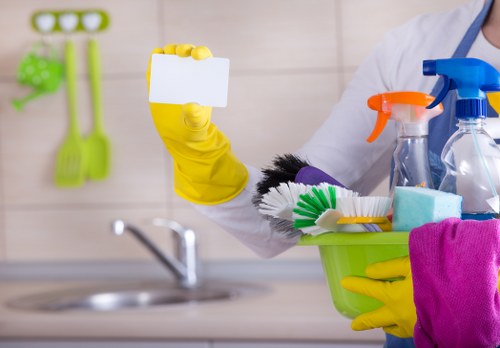
Hard floor cleaning in cleaners is one of the most important parts of maintaining a healthy, polished, and professional-looking environment. Whether the space is a home, office, retail store, school, clinic, or hospitality venue, hard floors are exposed to daily wear, dust, spills, tracked-in debris, and foot traffic. Over time, that buildup can dull the surface, create slip risks, and make even a well-kept property look neglected.
For cleaning companies, proper hard floor cleaning is not just about appearance. It is about protecting the floor’s finish, extending its lifespan, and creating a cleaner indoor environment. Different surfaces require different methods, and the best results come from understanding how to treat each floor type correctly. Using the wrong product or tool can leave streaks, remove protective coatings, or cause long-term damage.
When done well, hard floor cleaning in cleaners supports hygiene, safety, and aesthetics at the same time. It helps reduce allergens, improves traction, and preserves the value of the property. That is why many businesses and homeowners rely on trained cleaning professionals who know how to handle tile, vinyl, laminate, stone, concrete, sealed wood, and other hard surfaces with care.
What Counts as Hard Floor Cleaning?

Hard floor cleaning refers to the cleaning, maintenance, and restoration of surfaces that are not carpeted and do not absorb liquid in the same way soft flooring does. In the cleaning industry, this often includes mopping, scrubbing, stripping, polishing, buffing, sealing, and extracting embedded dirt from durable flooring materials.
Common hard floor types include:
- Ceramic and porcelain tile
- Vinyl composition tile (VCT)
- Luxury vinyl tile (LVT) and luxury vinyl plank (LVP)
- Laminate flooring
- Natural stone such as marble, granite, and slate
- Concrete floors
- Engineered and sealed hardwood floors
- Terrazzo
Each of these surfaces responds differently to moisture, detergents, and cleaning equipment. That is why hard floor cleaning in cleaners requires more than a quick mop. It involves choosing the correct chemicals, pads, brushes, and techniques for the surface being serviced. A professional cleaner also checks for coating condition, grout lines, stains, scratches, and high-traffic wear before deciding on the best approach.
The Benefits of Professional Hard Floor Cleaning
There are many reasons property owners invest in professional hard floor cleaning services. The most visible benefit is improved appearance. Floors that are cleaned properly look brighter, more even, and more inviting. This is especially important in customer-facing environments where first impressions matter.
Another major benefit is floor protection. Dirt, grit, and sand act like abrasive particles underfoot. If they are not removed regularly, they can scratch the surface, dull the finish, and wear down protective layers. Professional hard floor cleaning reduces this damage and helps preserve the original condition of the floor.
A third benefit is safety. Clean, well-maintained hard floors are less likely to become slippery from accumulated residue, spills, or cleaning product buildup. In high-traffic spaces, that can make a real difference in reducing accidents. Health is also improved because routine floor cleaning helps remove dust, bacteria, and contaminants that settle on surfaces throughout the day.
In addition, professional floor care can save money over time. Instead of replacing flooring early due to neglect, owners can extend the useful life of the surface through consistent maintenance. In many cases, regular hard floor cleaning in cleaners is far more affordable than deep restoration or full replacement.
Understanding Different Floor Materials
Tile and Grout
Tile floors are popular because they are durable and attractive, but grout lines can trap soil quickly. The porous nature of grout means it may discolor if not cleaned properly. For this reason, tile and grout cleaning often requires agitation, alkaline cleaners, and sometimes extraction tools to lift embedded dirt.
Vinyl and LVT/LVP
Vinyl flooring is resilient and easy to maintain, but harsh chemicals can damage the wear layer. When performing hard floor cleaning on vinyl surfaces, professionals use neutral cleaners and avoid oversaturating the floor. This helps preserve the finish while removing grime effectively.
Stone Surfaces
Natural stone floors such as marble or limestone need special care because acidic cleaners can etch the surface. A professional cleaner knows how to use stone-safe products and low-moisture methods to protect the material while restoring shine. In some cases, sealing is needed to reduce staining.
Hardwood and Engineered Wood
Sealed wood floors bring warmth and elegance, but they are sensitive to excess water. Hard floor cleaning in cleaners for wood surfaces often includes dust mopping, slightly damp mopping, and pH-balanced products. Moisture control is essential to prevent warping or swelling.
Concrete and Terrazzo
Concrete and terrazzo floors are durable and often found in commercial settings. However, they can still become stained or lose their finish. These surfaces may require scrubbing, polishing, or sealing depending on their condition and the desired look.
Core Methods Used in Hard Floor Cleaning
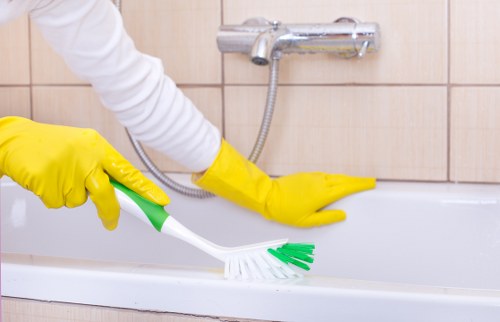
Professional cleaners use a range of methods depending on floor type, soil level, and maintenance goals. A standard sweeping-and-mopping routine is often the starting point, but it is only one part of a proper floor care plan. For deeper results, cleaners may use auto scrubbers, burnishers, wet vacuums, microfiber tools, and special floor pads.
Common methods include:
- Dry soil removal – sweeping, dust mopping, or vacuuming to remove loose grit and debris before wet cleaning.
- Wet cleaning – mopping or scrubbing with the right cleaning solution to break down dirt and residue.
- Machine scrubbing – using a floor machine or auto scrubber for larger areas or stubborn buildup.
- Polishing and buffing – restoring shine and improving the appearance of waxed or finished floors.
- Stripping and refinishing – removing old layers of finish and applying new protective coating when needed.
- Sealing – protecting porous surfaces like stone, concrete, or grout from moisture and staining.
Every one of these methods can be part of hard floor cleaning in cleaners when used in the correct sequence. The key is to match the technique to the floor type and level of soiling. Professionals also pay close attention to dwell time, water temperature, pad selection, and rinse quality.
Tools and Equipment That Improve Results
The right tools can make a significant difference in the quality of hard floor cleaning. A professional cleaner does not rely on one-size-fits-all equipment. Instead, they select tools based on the floor, the setting, and the amount of traffic the area receives.
Useful tools for hard floor cleaning include:
- Microfiber dust mops for dry soil removal
- Flat mops for controlled wet cleaning
- Auto scrubbers for large commercial floors
- Burnishers for shine enhancement
- Wet vacuums for liquid recovery
- Soft, medium, and aggressive floor pads
- Grout brushes and detail brushes for edges and corners
- pH-appropriate cleaning solutions
Using professional tools helps reduce labor time while improving consistency. It also improves safety by minimizing excess water and leaving floors dry more quickly. In busy environments, faster drying times are especially valuable because they reduce downtime and lower the chance of slips.
Hard floor cleaning in cleaners benefits greatly from microfiber technology, since microfiber traps dust effectively without pushing it around. Paired with a suitable cleaning chemical, these tools help achieve a streak-free, polished finish.
Choosing the Right Cleaning Products
Cleaning chemicals play a major role in floor care, but they must be chosen carefully. Some products are formulated for general use, while others are designed for specific surfaces such as stone, vinyl, or wood. The wrong product can leave residue, create hazing, or cause damage over time.
Neutral pH cleaners are often preferred for regular maintenance because they are effective without being too harsh. For heavy soil, a stronger alkaline cleaner may be used on compatible surfaces. Acidic products may be used for certain mineral deposits or grout issues, but only when appropriate and with caution.
Best practices for choosing products include:
- Reading manufacturer instructions for the flooring
- Testing products in a small, hidden area first
- Avoiding bleach on sensitive surfaces unless approved
- Using the correct dilution ratio
- Rinsing when required to prevent residue buildup
In the world of hard floor cleaning, product selection affects everything from shine to longevity. A cleaner who understands chemistry can produce better results while reducing the risk of damage. This is especially important in commercial floor cleaning, where many different flooring systems may be present in one building.
Challenges in Hard Floor Cleaning and How Cleaners Solve Them
Hard floor cleaning is straightforward in theory, but real-world conditions can create challenges. High-traffic entrances collect grit rapidly. Food service areas may have grease. Healthcare spaces may require stricter sanitation. Retail stores may have adhesive residue from displays. Each environment demands a slightly different approach.
Some common challenges include:
- Stubborn black heel marks
- Sticky residue from spills
- Grout discoloration
- Scratches from dirt and furniture
- Water streaks and haze
- Built-up floor finish
- Slippery residue from improper chemical use
Professional cleaners solve these issues by assessing the surface, identifying the source of the problem, and using the correct cleaning process. For example, heel marks on vinyl may be removed with a safe scrubbing pad, while grease on concrete may require degreasing and machine agitation. Hard floor cleaning in cleaners is successful when it addresses both the visible stain and the underlying cause.
Hard Floor Cleaning in Different Settings
Residential Spaces
In homes, floor care focuses on appearance, comfort, and dust control. Families often need help with tile kitchens, hallway laminate, sealed wood living areas, and bathroom floors. Regular maintenance keeps the home cleaner and can reduce the spread of dirt from room to room.
Commercial Spaces
In offices, stores, and public buildings, hard floor cleaning in cleaners is often performed after hours to avoid disrupting business. High traffic means frequent soil removal, routine machine scrubbing, and periodic restoration may be necessary. A polished commercial floor creates a more professional atmosphere and helps the building look well managed.
Healthcare and Educational Facilities
These settings often require stricter sanitation and careful attention to slip prevention. Floors must be cleaned consistently, and products must meet the site’s standards. In schools, floors endure heavy traffic and constant debris. In healthcare locations, hygiene and safety become top priorities.
Hospitality and Food Service
Hotels, restaurants, and event venues rely on spotless hard flooring because appearance and cleanliness directly affect guest perception. Grease, beverage spills, and constant foot traffic can make these floors difficult to maintain, which is why professional cleaning is often essential.
Across all of these environments, hard floor cleaning in cleaners is about matching service to use case. A floor in a medical corridor has different needs than a decorative lobby floor or a family kitchen. That flexibility is one reason professional cleaning services remain in demand.
Best Practices for Long-Term Floor Care
Long-term success in floor maintenance depends on routine care and smart habits. Even the best deep cleaning service cannot replace consistent upkeep. The most effective approach combines daily soil removal, periodic wet cleaning, and scheduled restorative work when needed.
Best practices include:
- Place walk-off mats at entrances to catch dirt before it spreads.
- Remove spills promptly to prevent staining or slipping.
- Use furniture pads to reduce scratches and scuffs.
- Follow a cleaning schedule based on traffic levels.
- Inspect floors regularly for worn coatings or damage.
- Use the correct mop heads and change them as they become dirty.
These habits make hard floor cleaning more effective and less costly over time. They also help preserve the appearance of the flooring between professional visits. When property owners and cleaners work together, the results are noticeably better.
How Professional Cleaners Deliver Better Results
What separates professional floor care from casual cleaning is the level of detail. Skilled cleaners do not simply clean what is visible. They also evaluate edges, corners, traffic patterns, finish condition, and drying times. This attention leads to cleaner, safer, and more uniform floors.
Professional cleaners typically follow a sequence that includes inspection, dry soil removal, targeted treatment, machine cleaning if needed, rinse recovery, and finishing. Each step matters. Skipping one stage can reduce the final result or leave behind residue that attracts dirt again quickly.
Hard floor cleaning in cleaners is also more efficient because professionals know how to work systematically. They can clean large areas without leaving streaks or missed sections. This is particularly important in schools, offices, and retail spaces where the floor needs to look consistent from one end to the other.
Another advantage is training. Professionals understand which pads are safe for each floor, how much solution to use, and when a floor needs restoration rather than routine cleaning. That knowledge helps avoid costly mistakes and creates better long-term value for the client.
When Floor Restoration Becomes Necessary
Routine cleaning is essential, but some floors eventually need more than standard maintenance. Over time, traffic can wear down coatings, leave scratches, or create patchy shine. In those cases, restoration services may be the best option.
Restoration may include:
- Stripping old wax or finish
- Applying new protective layers
- Buffing or burnishing for shine
- Deep scrubbing of tile and grout
- Stone polishing and sealing
- Concrete cleaning and sealing
This type of hard floor cleaning helps bring a tired surface back to life. It can dramatically improve the look of a space and may even reduce long-term maintenance costs. The earlier problems are addressed, the easier it is to restore the surface successfully.
For clients, this means a cleaner appearance and a stronger return on investment. For cleaners, it means offering services that go beyond basic maintenance and meet a wider range of needs.
Why SEO and Service Quality Go Hand in Hand for Cleaning Businesses
For cleaning companies, strong service quality and strong online visibility support each other. A business that offers excellent hard floor cleaning should also make it easy for people to find that service online. That is where SEO-friendly content, clear service descriptions, and relevant keywords become valuable.
Search terms like hard floor cleaning in cleaners, floor maintenance services, commercial floor cleaning, tile and grout cleaning, floor scrubbing, and floor polishing help search engines understand what the business offers. When used naturally, these terms improve the chances that a company will appear in relevant searches.
At the same time, the content must still read smoothly for human visitors. Overstuffing keywords can hurt both ranking and trust. The most effective pages use language that is helpful, specific, and easy to understand. A well-written service page explains what the cleaner does, what types of floors are supported, and why the service matters.
That is why a good article or service page should balance search visibility and usefulness. Google rewards content that is genuinely informative, and readers are more likely to take action when they understand the value of the service.
Final Thoughts on Hard Floor Cleaning in Cleaners
Hard floors are among the most visible and heavily used surfaces in any property, which makes their care essential. From routine dust removal to deep scrubbing, polishing, and restoration, hard floor cleaning in cleaners supports cleanliness, safety, and a professional appearance. It also protects the flooring investment and helps spaces stay attractive for longer.
The best results come from matching the right method to the right material. Whether the floor is tile, stone, vinyl, wood, or concrete, professional cleaning should be thoughtful, precise, and consistent. With proper tools, safe products, and a reliable schedule, floors can remain in great condition even under heavy use.
If your property needs better floor care, now is the time to act. Contact us today to discuss your floor maintenance needs, or book your service now to keep your hard floors looking their best. A cleaner, brighter floor can transform the feel of an entire space.