Cleaner in Cleaners: The Role, Skills, and Value of a Professional Cleaner in a Cleaning Business
Understanding the Meaning of Cleaner in Cleaners
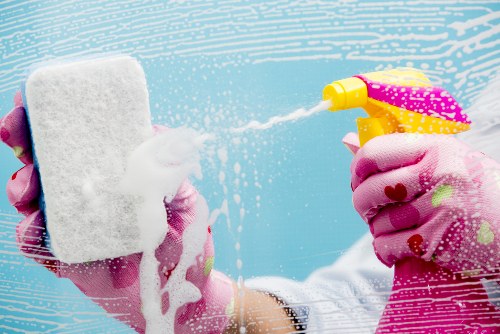
A cleaner in cleaners is more than someone who simply dusts surfaces or vacuums floors. In the world of professional cleaning services, the role of a cleaner is central to the company’s reputation, customer satisfaction, and day-to-day performance. Whether a business focuses on residential cleaning, commercial maintenance, or specialized sanitation, the cleaner is the person who turns promises into results.
When people search for a cleaner in cleaners, they are often looking for insight into what the role involves, what skills are required, and why this position matters so much. A cleaner works behind the scenes, yet the impact is visible immediately: fresh spaces, healthier environments, and a stronger sense of order. In many ways, the cleaner is the foundation of the cleaning business itself.
Every cleaning company depends on skilled staff who can maintain standards, follow procedures, and deliver consistent quality. That is why the role of a cleaner in cleaners deserves attention. It is a profession built on trust, precision, speed, and care. A well-trained cleaner helps a business stand out in a competitive market, while also making homes and workplaces safer and more pleasant.
Why the Cleaner Role Matters in a Cleaning Company
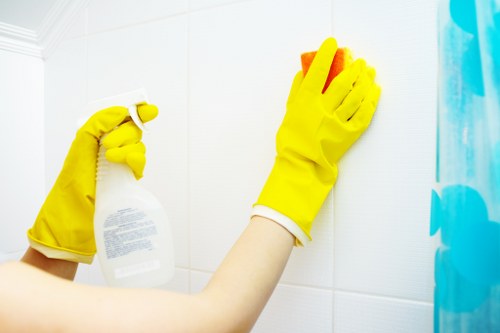
A cleaning company can advertise excellent service, but customers judge the business by the person who arrives to do the work. This is why the cleaner in cleaners has such a direct effect on business success. The cleaner is often the face of the company, representing professionalism, reliability, and attention to detail.
In residential settings, a cleaner might be responsible for bathrooms, kitchens, bedrooms, and living areas. In commercial environments, the same role may include offices, restrooms, meeting rooms, hallways, and shared spaces. Each environment has unique needs, but the expectation remains the same: the cleaner must create visible and lasting cleanliness.
There is also a wider business value. Cleaners help reduce complaints, improve retention, and build word-of-mouth referrals. A single dependable cleaner in cleaners can become a key reason customers stay loyal. That is especially true in services where consistency matters more than flashy advertising.
In addition, the role supports public health. Regular cleaning lowers the spread of bacteria, allergens, dust, and other contaminants. In a time when hygiene standards matter more than ever, a professional cleaner contributes to wellness as well as appearance. This makes the profession essential, not optional.
Core Duties of a Cleaner in Cleaners
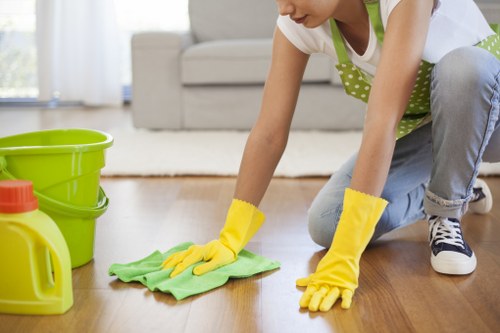
The exact duties of a cleaner in cleaners vary by service type, but most roles include a combination of routine and specialized tasks. These tasks require consistency, time management, and a strong understanding of cleaning products and techniques.
Common duties include:
- Dusting furniture, surfaces, and fixtures
- Vacuuming carpets and rugs
- Sweeping and mopping floors
- Cleaning sinks, toilets, showers, and tubs
- Sanitizing high-touch areas such as handles and switches
- Emptying bins and disposing of waste properly
- Wiping glass, mirrors, and reflective surfaces
- Restocking supplies where needed
Some cleaners also handle deeper tasks such as oven cleaning, carpet spot treatment, window cleaning, and post-construction dust removal. In a commercial setting, a cleaner may be expected to complete work outside normal office hours to avoid disrupting operations. In all cases, the cleaner must follow a plan while remaining flexible enough to meet changing needs.
Attention to detail is one of the most important parts of the job. A room may look clean at first glance, but a great cleaner notices fingerprints, smudges, streaks, and hidden debris. This ability to see what others miss separates average service from excellent service.
Essential Skills Every Cleaner Needs
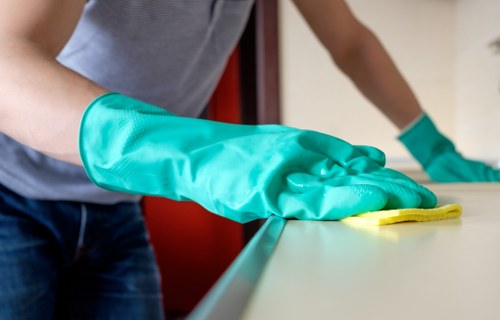
A successful cleaner in cleaners needs a practical set of abilities. While the job can be learned through training and experience, certain skills make the work easier, faster, and more effective. These skills also help cleaning businesses maintain quality and reduce errors.
1. Time management is crucial. Many cleaning jobs have strict schedules, and a cleaner must complete tasks efficiently without cutting corners. Knowing how to prioritize rooms, surfaces, and equipment helps maintain productivity.
2. Physical stamina is another core skill. Cleaning often involves standing for long periods, bending, lifting, reaching, and moving between locations. A cleaner should be able to work steadily while maintaining energy and focus.
3. Product knowledge matters as well. Different materials require different cleaning methods. Using the wrong chemical on wood, tile, glass, or fabric can cause damage. A well-informed cleaner understands how to match the product to the surface.
4. Communication is often overlooked, but it is essential. A cleaner may need to report damages, ask questions, confirm priorities, or coordinate with supervisors and clients. Clear communication reduces misunderstandings and improves service quality.
Additional abilities that make a cleaner more effective
Beyond the basics, several soft skills can elevate the work of a cleaner in cleaners:
- Reliability — showing up on time and completing tasks as promised
- Discretion — respecting privacy in homes and workplaces
- Adaptability — responding to different spaces and urgent requests
- Observation — noticing dirt, damage, or hazards quickly
- Consistency — delivering the same standard every time
Training and Professional Standards for Cleaners

Many people assume cleaning is simple, but professional cleaning requires training and discipline. A cleaner in cleaners is expected to follow standards that protect property, people, and the reputation of the company. Even basic tasks become more effective when they are done using the right methods.
Training may include how to use cleaning chemicals safely, how to handle equipment, how to avoid cross-contamination, and how to work efficiently in different environments. In commercial cleaning, there may also be procedures for dealing with sensitive materials, secure areas, or specific hygiene requirements.
Safe work practices are especially important. For example, a cleaner should know how to wear gloves properly, when to use protective equipment, and how to label or store cleaning products. Safety also includes being careful with ladders, electrical equipment, wet floors, and heavy loads. A professional cleaner protects both themselves and the people around them.
Quality standards often separate a dependable cleaner from a casual worker. A professional cleaning business may create checklists, inspection routines, and service expectations to ensure consistent outcomes. When cleaners follow these systems, clients get the same level of care every time.
Why standards improve business reputation
When a cleaner performs to a high standard, the whole business benefits. Clients are more likely to renew contracts, recommend services, and trust the company with more demanding jobs. In this sense, every cleaner in cleaners contributes directly to brand value.
Tools and Equipment Used by Cleaners
Another important part of the cleaner in cleaners role is knowing how to use tools and equipment correctly. Professional cleaning goes beyond a cloth and a bucket. The right tools improve speed, safety, and results, especially when dealing with larger spaces or difficult messes.
Typical tools and equipment may include vacuum cleaners, mops, microfiber cloths, scrub brushes, spray bottles, extension poles, dusters, floor machines, and protective gloves. In some jobs, cleaners also use steam cleaners, carpet extractors, pressure washers, or specialized disinfecting equipment.
The key is not just having equipment, but knowing how to maintain it. A broken vacuum or poorly maintained mop can reduce quality and waste time. Cleaners should clean their tools, check for wear, and report faults before they become a bigger problem. Proper care extends the life of equipment and helps the company operate more efficiently.
Efficiency improves when tools are organized. Many cleaning businesses use caddies, labeled containers, or mobile kits to make the cleaner’s workflow easier. When everything is in the right place, a cleaner can move from one task to the next with less delay.
Different Types of Cleaner in Cleaners Roles
Not all cleaning jobs are the same. The phrase cleaner in cleaners can apply to several different job types, each with its own responsibilities and work environment. Understanding these differences helps readers see how broad the profession really is.
Residential cleaner: Works in private homes and apartments. Tasks often include general tidying, bathroom cleaning, kitchen cleaning, dusting, and vacuuming. This role often requires a friendly manner and respect for personal property.
Commercial cleaner: Works in offices, retail stores, schools, or other public buildings. Duties may include floor care, restroom sanitizing, bin emptying, and maintaining shared spaces. This role often involves larger areas and tighter schedules.
Deep cleaner: Focuses on intensive jobs that go beyond routine cleaning. This might involve heavy scrubbing, buildup removal, or detailed cleaning in neglected areas. A deep cleaner needs patience and physical effort.
Specialist cleaner: Handles more advanced work such as post-construction cleaning, medical cleaning, industrial cleaning, or carpet restoration. These jobs usually require extra training and compliance with specific standards.
Because the term cleaner in cleaners can apply across these settings, the job title may be simple, but the responsibilities can vary greatly. This variety also makes the profession flexible and full of opportunity.
How Cleaners Support Customer Satisfaction
Customer satisfaction is strongly connected to the performance of the cleaner in cleaners. Clients may not always notice every task that gets completed, but they quickly notice when something is missed. Cleaners contribute to the customer experience through quality, reliability, and professionalism.
A satisfied customer usually feels that their space looks better, smells fresher, and feels more organized. These impressions matter because they create trust. When clients trust the cleaner, they are more likely to book again and recommend the service to others.
Even small details can affect satisfaction. A shiny sink, a streak-free mirror, or neatly arranged surfaces can leave a strong impression. On the other hand, missed corners, residue, or poor communication can damage the experience. That is why the cleaner’s role must be taken seriously by both workers and business owners.
In many cases, a cleaner becomes the reason a client stays with a company long term. Consistency, politeness, and quality work build confidence. For a cleaning business, investing in strong cleaners is one of the smartest ways to grow.
Health, Hygiene, and the Cleaner’s Impact
The modern cleaner in cleaners does more than make spaces look nice. Cleaners help reduce the spread of germs, improve indoor air quality, and create healthier living and working environments. This is especially important in homes with children, schools, offices, clinics, and shared facilities.
Dust, mold, bacteria, and allergens can build up quickly if spaces are not cleaned regularly. A professional cleaner knows how to target these issues through proper cleaning methods and suitable products. In this way, the role has a direct effect on comfort and well-being.
Hygiene is not only about appearance. It is also about prevention. Regular disinfection of high-touch surfaces, for example, can reduce the spread of illness. Clean floors lower slip risks, and tidy spaces reduce clutter-related accidents. A cleaner in cleaners plays an important role in maintaining these standards.
Healthy environments are valuable in every setting. Homes feel calmer, offices feel more productive, and public spaces feel more welcoming. This is one reason cleaning services remain essential across industries and communities.
Career Growth and Opportunities for Cleaners
Working as a cleaner in cleaners can be the start of a rewarding career. While some see the job as entry-level, many professionals use it as a pathway to more responsibility, better pay, and specialist roles. With experience, a cleaner can become a team leader, supervisor, trainer, or operations coordinator.
Career growth often depends on reliability, skill, and a willingness to learn. A cleaner who takes pride in the work and understands customer expectations can quickly become a valuable employee. Over time, that person may be trusted with larger accounts, more technical jobs, or independent assignments.
There is also room for specialization. Some cleaners move into areas like carpet care, end-of-tenancy cleaning, sanitization services, or eco-friendly cleaning. Others choose to start their own small business after building experience and confidence. The profession may begin with basic tasks, but the potential can be much greater.
- Team leader roles
- Supervisor positions
- Specialist cleaning tasks
- Business ownership
- Training and quality control roles
For anyone considering this path, the most important step is to treat the role seriously from the start.
What Makes an Excellent Cleaner in Cleaners?
An excellent cleaner in cleaners combines practical skill with a professional mindset. The work is not only about physical effort; it is also about discipline, care, and respect for the spaces being cleaned. Great cleaners understand that every job affects the client’s comfort and the company’s reputation.
Here are a few qualities that define excellent performance:
- Consistency — delivering the same high standard each visit
- Efficiency — working quickly without sacrificing quality
- Responsibility — taking ownership of tasks and outcomes
- Professional conduct — staying polite, respectful, and dependable
- Problem-solving — handling unexpected messes or issues calmly
These traits matter because they help a cleaner become trusted. Trust is one of the most valuable assets in the cleaning industry. Customers invite cleaners into private homes and sensitive workplaces, so they need confidence in both skill and character.
Professionalism also includes appearance, punctuality, and communication. A cleaner who is well-prepared and respectful sets the tone for a positive service experience.
Marketing and Business Value of Skilled Cleaners
From a business perspective, the cleaner in cleaners is one of the strongest assets a company can have. A skilled cleaner helps create repeat business, strong reviews, and a stable reputation. In a crowded market, service quality often matters more than price alone.
When customers see reliable results, they are more likely to choose the same company again. That means the cleaner contributes not just to one appointment, but to long-term business growth. In other words, the cleaner helps turn a one-time booking into an ongoing relationship.
Businesses that invest in training, equipment, and staff support usually perform better than those that treat cleaners as interchangeable workers. A supported cleaner is more likely to stay motivated, deliver better results, and maintain high standards. This creates a strong cycle of service quality and customer loyalty.
SEO-relevant terms such as professional cleaner, cleaning service staff, cleaning company worker, and expert cleaner all reflect the wider value of the role. These related terms also show how important the cleaner is in online search visibility and customer trust.
Final Thoughts on Cleaner in Cleaners
The phrase cleaner in cleaners may sound simple, but the role it describes is essential, versatile, and highly valuable. A cleaner is responsible for much more than surface-level tidiness. They help protect health, support business success, improve client satisfaction, and create spaces people enjoy using.
Whether the job is residential, commercial, or specialist, the best cleaners bring skill, care, and consistency to every task. They understand that cleaning is both a practical service and a professional craft. That combination of work ethic and attention to detail is what makes the role so important in the cleaning industry.
If you are looking to improve your cleaning standards, strengthen your service quality, or hire someone dependable, focus on the qualities that matter most: training, reliability, communication, and respect. Contact us today to take the next step toward better results, or book your service now to experience the value of a professional cleaner in cleaners.
Clean spaces create better experiences, and behind every great result is a cleaner who knows how to deliver it.