Upholstery Cleaning in Cleaners: A Practical, SEO-Friendly Look at Keeping Furniture Fresh
Upholstery cleaning in cleaners is one of the most valuable services for maintaining a healthy, attractive, and long-lasting interior. Whether it is a sofa in a family living room, office chairs in a busy workplace, or an upholstered dining bench in a hospitality setting, fabric-covered furniture collects dust, stains, odors, and allergens over time. That is why professional upholstery cleaning in cleaners plays such an important role for both homes and businesses.
People often focus on carpets, windows, or floors when thinking about cleanliness, but upholstery is touched every day and absorbs a surprising amount of dirt. A well-cleaned couch or chair does more than look better; it feels more comfortable, smells fresher, and supports a healthier environment. If you want your furniture to last longer and your space to feel truly clean, upholstery cleaning in cleaners is a service worth understanding.
In this article, we will explore what upholstery cleaning involves, why it matters, how cleaners approach different materials, and what customers can expect from professional care. You will also learn how cleaning methods differ, what benefits they bring, and how to choose the right service for your furniture. Fresh upholstery does not just improve appearance; it improves the whole atmosphere of a room.
Why Upholstery Cleaning in Cleaners Matters
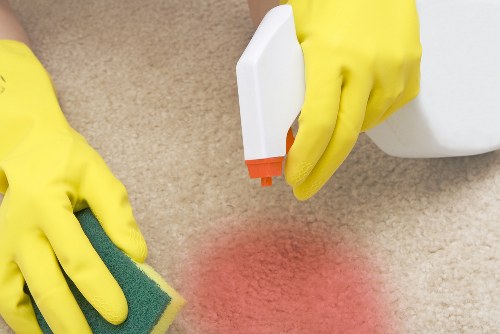
Upholstered furniture acts like a filter in many ways. It traps dust, pet hair, skin flakes, pollen, food particles, and airborne debris. Over time, this buildup becomes visible and can also affect indoor air quality. Professional upholstery cleaning in cleaners removes deep-seated dirt that regular vacuuming simply cannot reach.
Another reason this service matters is longevity. Fabric and cushioning can break down faster when dirt particles grind into the fibers. Spills that are left untreated may set into the material and become permanent stains. Regular upholstery cleaning helps protect your investment by preserving the look and condition of sofas, armchairs, ottomans, recliners, and other soft furnishings.
There is also the comfort factor. Clean fabric feels better to sit on, and it can transform the entire room. In offices, hospitality spaces, healthcare waiting areas, and residential settings, upholstery cleaning in cleaners supports a more polished and inviting environment. When furniture looks clean, the whole space feels more cared for.
What Professional Upholstery Cleaning Includes

Professional upholstery cleaning in cleaners is not a one-size-fits-all job. Different fabrics, stains, and furniture constructions require different techniques. A trained cleaner usually begins with a full inspection to identify the fabric type, level of soiling, problem areas, and any care-label instructions from the manufacturer.
The service often includes vacuuming, pre-treatment, spot cleaning, deep extraction, and drying assistance. For some materials, low-moisture cleaning may be preferred, while others can handle more intensive extraction methods. The goal is always the same: remove dirt and contaminants without damaging the furniture.
Some cleaners also offer deodorizing, fabric protection, and anti-allergen treatment. These extras are especially useful in homes with pets, children, or allergy-sensitive family members. Upholstery cleaning in cleaners is therefore not just about appearance; it is about maintaining a hygienic and comfortable indoor space.
Common Furniture Items Cleaned by Professionals
- Sofas and couches
- Armchairs and recliners
- Dining chairs and banquet seating
- Office chairs and conference seating
- Ottomans and footstools
- Sectionals and modular seating
How Upholstery Cleaning in Cleaners Works

Understanding the process helps customers feel more confident about booking upholstery cleaning in cleaners. Most services follow a structured method designed to protect the fabric while delivering a deep clean. Although the exact process may vary, the general approach is usually similar.
First comes inspection and testing. The cleaner checks the upholstery label, examines the condition of the fabric, and tests cleaning products on a hidden area if needed. This step is important because natural fibers, synthetic blends, and delicate materials all respond differently to cleaning solutions.
Next comes dry soil removal. Vacuuming removes loose dust, hair, crumbs, and surface debris. Then the cleaner applies suitable pre-sprays or stain treatments to loosen embedded grime. Depending on the method used, the upholstery may then be cleaned with hot water extraction, foam cleaning, dry cleaning, or another specialized technique. The right process depends on the furniture, not just the stain.
Typical Steps in a Professional Service
- Inspect the upholstery and identify the fabric type.
- Vacuum the surface to remove loose dirt and debris.
- Pre-treat visible spots and heavily soiled areas.
- Apply the appropriate cleaning method for the material.
- Extract residue and moisture as thoroughly as possible.
- Allow drying and perform a final quality check.
Because upholstery cleaning in cleaners is handled by trained professionals, the chance of shrinkage, discoloration, or over-wetting is much lower than with casual DIY attempts. That makes expert treatment a safer choice for valuable or delicate items.
Different Upholstery Materials and Their Cleaning Needs
One of the biggest reasons to use upholstery cleaning in cleaners is the variety of materials that exist. A linen sofa is not cleaned the same way as a synthetic office chair, and velvet requires more care than microfiber. Knowing the material helps cleaners choose the safest and most effective method.
Natural fabrics such as cotton, wool, and linen can be breathable and attractive, but they may absorb stains quickly. Synthetic fabrics like polyester and olefin are often more stain-resistant and durable, yet they still need regular cleaning to remove buildup. Leather and faux leather require special treatment and conditioning rather than traditional fabric cleaning.
Delicate materials can be especially sensitive to water and harsh chemicals. This is why professional upholstery cleaning in cleaners is so valuable. It combines knowledge of fabric types with the right products and equipment. Matching the method to the material is the key to a safe, effective result.
Examples of Material-Specific Care
- Microfiber: Often cleaned with low-moisture methods and gentle brushing.
- Cotton: May need careful stain treatment and balanced moisture control.
- Leather: Usually cleaned and conditioned with leather-safe products.
- Velvet: Requires delicate handling and attention to pile direction.
- Wool blends: Need pH-balanced products to avoid fiber damage.
When customers understand these differences, they are more likely to appreciate the expertise behind upholstery cleaning in cleaners. It is not simply about spraying and wiping. It is about treating each item with the right strategy.
Benefits of Upholstery Cleaning in Cleaners for Homes

Homeowners often book upholstery cleaning in cleaners for visible stains, but the benefits go far beyond appearance. A professionally cleaned sofa or chair contributes to a healthier, fresher, and more comfortable home environment. This is especially true in busy households with children, pets, and frequent visitors.
One major benefit is odor removal. Upholstery can hold onto smells from food, pets, smoke, and daily use. Cleaning helps neutralize these odors rather than masking them. Another benefit is allergen reduction. Dust mites, dander, and pollen can settle deep inside cushions and fabric, making furniture a hidden source of irritation for sensitive individuals.
Clean upholstery also improves the visual flow of a room. Stains, dullness, and discoloration can make a space feel older than it is. Freshly cleaned furniture can instantly lift the look of a living room, bedroom, or family area. That is one reason upholstery cleaning in cleaners remains such a popular service for households that care about both style and hygiene.
Home Benefits at a Glance
- Helps remove odors trapped in fabric and foam
- Improves the overall look of furniture
- Reduces common allergens
- Supports a cleaner indoor environment
- Can extend the life of sofas and chairs
Benefits of Upholstery Cleaning in Cleaners for Businesses
Commercial spaces rely heavily on first impressions, and upholstery often plays a major role in shaping them. Reception seating, conference chairs, lounge furniture, and waiting-room sofas are frequently used and can quickly show signs of wear. Upholstery cleaning in cleaners helps businesses maintain a professional and welcoming appearance.
In hospitality settings, clean upholstered seating can affect guest comfort and satisfaction. In offices, it reflects attention to detail and care for the workplace. In healthcare and public waiting areas, clean fabric surfaces support a more hygienic environment. Even a well-maintained chair can contribute to trust and confidence in a business.
There is also a financial advantage. Regular upholstery cleaning in cleaners may help businesses avoid premature replacement of furniture. Instead of replacing chairs and sofas too early due to stains or dullness, companies can preserve them with routine care. Cleaner furniture often means lower long-term costs.
Business Advantages
- Improves customer perception
- Supports workplace hygiene
- Helps furniture last longer
- Maintains a more polished brand image
- Can reduce the need for replacement
For many businesses, upholstery cleaning in cleaners is a practical maintenance decision as much as it is a cosmetic one. It protects assets while supporting a better experience for employees and visitors alike.
Common Stains and Problems Upholstery Cleaners Handle
Everyday life leaves its mark on furniture. Coffee spills, juice stains, grease, pet accidents, makeup, ink, and food residue all present different cleaning challenges. Professional upholstery cleaning in cleaners is designed to address these issues using targeted methods.
Some stains respond well to immediate treatment, while others become stubborn once they dry and set into the fabric. Dirt from shoes or hands can create dark patches on armrests and headrests. Pet hair can cling tightly to woven surfaces. Smoke and cooking odors can settle into cushions. All of this creates a need for specialized attention.
Cleaners also deal with wear patterns, fabric dullness, and uneven discoloration. In many cases, the goal is not only to remove a visible stain but to restore a more uniform look across the whole piece. Good upholstery cleaning in cleaners treats the surface and the deeper buildup beneath it.
Examples of Issues That Can Be Addressed
- Food and drink spills
- Pet hair and dander
- Odors from smoke or pets
- Oil and body soil
- Dust and accumulated grime
- General fading and dullness
How Often Should Upholstery Be Cleaned?
The ideal cleaning frequency depends on how the furniture is used, the number of people in the home or office, and whether pets or children are present. In general, upholstery cleaning in cleaners is recommended at least once or twice a year for most households. Busy commercial spaces may need more frequent service.
If a sofa is used every day, or if furniture is exposed to heavy traffic, it can accumulate grime faster than expected. Homes with allergy concerns may also benefit from more regular cleaning. In some cases, spot treatment and routine vacuuming between professional visits can help extend the time between deep cleans.
Seasonal changes are a good reminder to schedule upholstery cleaning in cleaners. Spring cleaning, post-holiday refreshes, or end-of-year maintenance are all practical times to renew upholstered furniture. Regular care is easier and more cost-effective than waiting until stains become permanent.
Factors That Affect Cleaning Frequency
- Daily usage level
- Presence of children or pets
- Indoor air quality concerns
- Type of fabric
- Commercial or residential setting
- Exposure to food, smoke, or heavy traffic
DIY vs Professional Upholstery Cleaning in Cleaners
Some people try to clean upholstery themselves, and basic upkeep can certainly be helpful. Vacuuming, immediate blotting of spills, and fabric-safe spot treatment can all make a difference. However, DIY methods have limitations, especially when stains are deep, the fabric is delicate, or the item is expensive.
Professional upholstery cleaning in cleaners brings several advantages. Trained cleaners know how to test materials, use the proper equipment, and control moisture levels. They can also identify whether a cleaning method might damage the fabric before any work begins. That kind of judgment is difficult to match with store-bought solutions.
DIY attempts may spread stains, leave residue, or over-wet the cushioning. In contrast, professional upholstery cleaning in cleaners aims for consistent, safer results with less risk. When the furniture matters, expertise matters too.
Why Professional Service Often Wins
- Better stain identification and treatment
- Safer handling of delicate fabrics
- More powerful equipment and extraction
- Reduced risk of over-wetting or residue
- Longer-lasting and more even results
Choosing the Right Upholstery Cleaning Service
Not all services are the same, so choosing the right provider matters. A reputable company offering upholstery cleaning in cleaners should be able to explain its process clearly, identify fabric types confidently, and use appropriate products for each job. Experience, attention to detail, and a careful approach are all important.
Look for services that inspect the furniture before starting, provide clear expectations about drying times, and avoid one-method-fits-all promises. A quality cleaner should also understand how to work around different stains, odors, and material sensitivities. The best providers make upholstery cleaning in cleaners feel tailored rather than generic.
It is also helpful to ask whether the company uses eco-friendly or low-residue products. Many customers prefer solutions that are gentle on fabric, safe for families, and suitable for indoor environments. Smart upholstery care starts with choosing a service that respects the furniture and the people using it.
What to Look For
- Clear fabric inspection and testing
- Relevant experience with many upholstery types
- Transparent cleaning methods
- Proper stain and odor treatment options
- Good drying and finishing practices
Maintaining Upholstery Between Professional Cleanings
Even after upholstery cleaning in cleaners, everyday habits make a big difference. Regular maintenance helps keep furniture looking fresh for longer and reduces how quickly dirt builds up again. Simple routines can preserve the results of a deep clean and support better long-term care.
Vacuuming upholstery weekly with a suitable attachment removes surface dust and crumbs before they settle deeper into the fabric. Prompt blotting of spills helps prevent staining, while rotating cushions can reduce uneven wear. Keeping food and drinks away from sensitive fabrics also makes a major difference over time.
It is wise to avoid harsh cleaners unless they are specifically approved for the fabric. Too much moisture, rough scrubbing, or incorrect products can cause more harm than good. Gentle, regular care works best alongside professional upholstery cleaning in cleaners.
Maintenance Tips
- Vacuum regularly using an upholstery attachment
- Blot spills immediately instead of rubbing
- Rotate cushions to balance wear
- Keep pets off delicate furniture when possible
- Use fabric-safe products only
- Schedule regular deep cleaning
The Lasting Value of Upholstery Cleaning in Cleaners
When people think about home or office maintenance, upholstery may not always be the first thing they remember. Yet upholstered furniture affects appearance, comfort, cleanliness, and even air quality. That is why upholstery cleaning in cleaners offers such strong value. It protects the furniture you already own while making your environment more pleasant to use.
From removing stubborn stains to improving the overall freshness of a room, professional cleaning delivers benefits that are easy to see and feel. It can help extend the life of sofas, chairs, and other fabric-covered pieces while supporting a healthier indoor space. In many cases, it also saves money by delaying the need for replacement.
If your furniture is showing signs of wear, holding odors, or simply looking dull, now is a great time to take action. Book your service now and give your upholstery the attention it deserves. For homes and businesses alike, upholstery cleaning in cleaners is a smart choice that supports cleanliness, comfort, and long-term value. Contact us today to make your furniture look and feel refreshed again.