Unveil Secrets to Preserve a Mold-Free Bathroom
A mold-free bathroom isn't just about aesthetics--it enhances your family's health, extends the longevity of your home, and creates a serene retreat. Mold spores thrive in damp environments, making your bathroom a prime canvas. Fortunately, you can uncover the top secrets to keeping your bathroom free from mold and mildew. This comprehensive guide shares expert strategies, practical tips, and lesser-known hacks to maintain a clean, healthy, and mold-resistant bathroom environment.
Understanding the Mold Menace in Bathrooms
Why does mold love bathrooms? The answer lies in three factors: Moisture, warmth, and poor ventilation. When you combine frequent water use, steamy showers, and minimal airflow--that's the perfect recipe for mold growth.
- Health Hazards: Prolonged exposure to mold can cause allergies, asthma attacks, respiratory distress, and even chronic sinus infections.
- Material Damage: Mold can deteriorate grout, tiles, drywall, and furniture. This leads to expensive repairs and unsightly stains.
Recognizing the early signs of mold and proactively preventing bathroom mold will save you from both health risks and monetary losses.
Essentials of a Mold-Free Bathroom: Secrets Revealed
1. Master the Art of Ventilation
Proper airflow is the first secret to a perpetually mold-free bathroom. Moisture-laden air encourages mold, and eliminating it is crucial.
- Install a High-Quality Exhaust Fan: Invest in a powerful, correctly-sized fan for your space. Run it during and for at least 20-30 minutes after each shower or bath.
- Enhance Natural Ventilation: Open windows when possible to let humidity and stale air escape naturally. Consider vented skylights for even better results.
- Leave Doors Slightly Open: Allow indoor air to circulate when the bathroom isn't in use--a simple yet effective mold-prevention tip.
2. Control Humidity Levels
Mold flourishes in environments where humidity is consistently above 60%. Maintaining optimal humidity is a cornerstone of a mold-resistant bathroom.
- Use a Hygrometer: Monitor your bathroom's humidity regularly; your goal is to keep it between 30 to 50 percent.
- Deploy a Dehumidifier: In bathrooms with poor ventilation or in humid climates, a small dehumidifier can be a game-changer.
- Quick-Dry Towels, Mats, and Curtains: Hang items to dry outside the bathroom or use moisture-wicking materials to cut down residual dampness.
3. Design Choices for Mold Prevention
The way your bathroom is built and the materials used play a pivotal role. Thoughtful design can create a mold-resistant bathroom sanctuary.
- Opt for Mold-Resistant Materials: Use mold-resistant drywall (greenboard), paints, grout, and caulk specifically labeled for bathrooms.
- Tile it Right: Large tiles with minimal grout reduce mold-prone crevices. Use epoxy grout, which is less prone to absorbing moisture.
- Choose Glass or Metal Fixtures: These are less likely to harbor microbial growth than wood or fabric.
- Sloped Floors: Sloping the shower or bathroom floor toward drains prevents stagnant water and helps maintain a mold-free status.
Routine Practices to Preserve a Mold-Free Bathroom
4. Cleaning Strategies: Beyond the Surface
Frequent cleaning is your next line of defense. However, targeted cleaning agents and routines deliver the best results against bathroom mold.
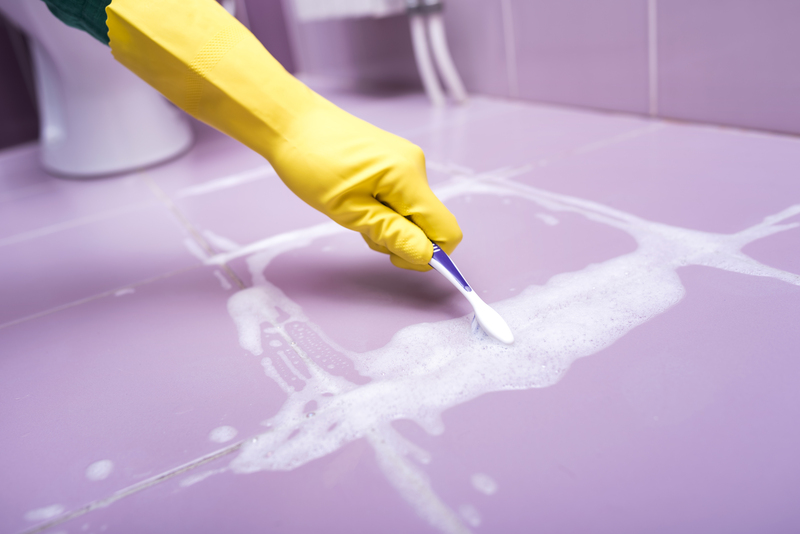
- Tackle Grout and Seals: Scrub grout lines, silicone, and caulk regularly with a stiff brush and anti-mold cleanser (like vinegar, hydrogen peroxide, or a baking soda paste).
- Remove Residual Moisture: After each shower, use a squeegee on glass doors and tiles. Wipe down all wet surfaces, especially near drains and corners.
- Keep Shower Curtains and Liners Clean: Wash fabric or plastic curtains weekly. Look for mildew-resistant shower liners for extra protection.
- Don't Ignore Unseen Areas: Regularly check under sinks, behind toilets, and around vents--these are mold's favorite hiding spots.
5. Smart Shower and Bathing Habits
Your habits matter as much as your cleaning schedule. Small behavioral changes can significantly decrease bathroom mildew and mold.
- Don't Leave Puddles: Wipe up water from the floor and countertops promptly, especially after children or pets have bathed.
- Hang Up Everything: Hang towels, bathrobes, and bath mats after use so they dry quickly and uniformly.
- Spread Out Your Showers: If possible, stagger family showers to allow the bathroom to completely dry out between uses.
Troubleshooting Trouble Spots: Prevention and Early Detection
6. Plumbing and Leak Vigilance
Hidden leaks can turn into a giant mold infestation before you even notice a problem. Conduct regular inspections and repairs to ensure pipes and fixtures are watertight.
- Inspect for Drips and Puddles: Check pipes, joints, and the base of toilets and sinks regularly for leaks.
- Seal Everything: Recaulk or reseal as soon as you see cracked or deteriorated caulking and grout.
- Insulate Pipes: In colder climates, insulated pipes prevent condensation and the resulting dampness.
7. Identifying Early Warning Signs of Mold
Catching mold early ensures that it never becomes a persistent issue. Know what to look for:
- Visual Signs: Discoloration (black, green, or brown) on grout, caulk, ceilings, or behind mirrors.
- Musty Smell: A persistent, earthy odor is a classic indicator of hidden mold growth.
- Paint Bubbling or Peeling: Excessive moisture often causes paint to lift off the wall, revealing potential mold problems underneath.
If you spot these signs, address the affected area immediately to prevent escalation.
8. Natural & Eco-Friendly Mold Prevention
For those seeking safe, non-toxic solutions to keep the bathroom mold-free, nature provides potent options:
- White Vinegar: Fights over 80% of mold species. Spray on affected areas, let sit for an hour, and scrub off.
- Baking Soda: Absorbs moisture and neutralizes odors; mix with water to form a paste for scrubbing moldy patches.
- Tea Tree Oil: A few drops mixed in water act as a natural antimicrobial spray for tiles and shower seams.
- Lemon Juice: The citric acid helps dissolve mildew on caulk and grout naturally.
Bonus tip: Regular exposure to sunlight can inhibit mold, so leave blinds open when privacy allows!
Advanced Measures: Upgrades and Innovations
9. Upgrading Bathroom Fixtures and Accessories
Incorporate the latest advances to keep your bathroom mold-free for years to come:
- Anti-Mold Paints: Specially formulated bathroom paints contain fungicides that repel spores and humidity effects.
- Automatic or Smart Fans: Programmable vent fans kick on automatically when they detect high humidity.
- Moisture-Resistant Wallpaper: New materials can bring color and design to your bathroom without risking mold buildup.
- Touchless Faucets & Dispensers: Reduce lingering wetness around sinks and on surfaces.
10. Professional Preventative Maintenance
Sometimes, professional intervention is wise to ensure a lasting mold-free bathroom:
- Annual Plumbing Inspection: A licensed plumber can detect hidden leaks and plumbing vulnerabilities before they cause mold blooms.
- Air Duct & Ventilation Service: Clean ducts support efficient airflow, reducing moisture buildup.
- Deep Mold Remediation: If mold has spread behind walls or under flooring, experts can perform safe removal and repairs.
Frequently Asked Questions About Keeping Your Bathroom Mold-Free
What causes bathroom mold to come back?
Recurring bathroom mold typically means the root cause--be it a hidden leak, poor ventilation, or high humidity--hasn't been resolved. Always identify and fix the underlying problem, rather than just scrubbing away surface mold.
Are "bathroom mold sprays" effective?
Some commercial sprays can eliminate surface mold and mildew, but beware of harsh chemicals. Natural alternatives like white vinegar are equally effective for regular use and safer for your family and pets.
How can I safely remove stubborn bathroom mold?
Wear gloves and a mask. Scrub the affected area with a mixture of vinegar and water, or use a paste of baking soda and water. For mold behind drywall or under floors, seek professional remediation.
Is a mold-free bathroom achievable long-term?
Absolutely! With the right combination of design, habit change, regular cleaning, and timely repairs, you can prevent and eliminate bathroom mold for the long haul.
Conclusion: Make a Mold-Free Bathroom Your Reality
Achieving and preserving a mold-free bathroom is a holistic process that blends smart design, consistent maintenance, and lifestyle changes. By following these time-tested strategies--ventilating effectively, choosing the right materials, adopting vigilant cleaning routines, and embracing proactive prevention--you cultivate an environment where mold cannot thrive.
Transform your bathroom into a clean, healthy oasis. With these proven methods to keep your bathroom free from mold, you'll enjoy peace of mind, improved indoor air quality, and a beautiful, worry-free space for years to come.
- Remember: Prevention is easier and cheaper than remediation!
- Start today--scrutinize your bathroom, implement these secrets, and embrace a mold-free future.
Your ideal, mold-resistant bathroom awaits. Unveil its secrets, and preserve a mold-free bathroom for generations!